Publish time:
2020-01-13
 Clicks: 34
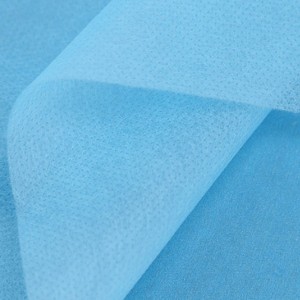
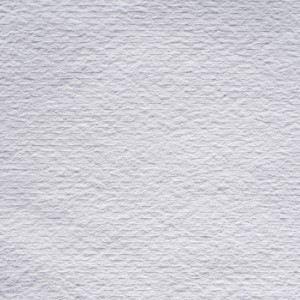
In daily life, people often come into contact with non-woven fabrics. There are quite a few differences between non-woven fabrics and other types of fabrics. Compared to other fabrics, you can clearly see the texture of non-woven fabrics. This is because non-woven fabrics are not woven fabrics but are formed by arranging textile fibers or long threads in a specific or random manner to create a fibrous network structure. Then, they are reinforced using mechanical, heat bonding, or chemical methods. The characteristic of non-woven fabrics is that they are breathable, lightweight, and can be used in medical fields. They are also often used as facial masks for daily use. Their applications are quite extensive. Now, let's take a closer look at the uses of non-woven fabrics.
(1) Medical and healthcare fabrics: surgical gowns, protective suits, disinfection packaging fabrics, masks, diapers, women's sanitary pads, etc.
(2) Household decoration fabrics: wall coverings, tablecloths, bed sheets, bed covers, etc.
(3) Garment lining fabrics: linings, adhesive linings, filling materials, shaping cotton, various synthetic leather base fabrics, etc.
(4) Industrial fabrics: filtering materials, insulating materials, cement packaging bags, geotextiles, covering fabrics, etc.
(5) Agricultural fabrics: crop protection fabrics, seedling cultivation fabrics, irrigation fabrics, insulation curtains, etc.
(6) Others: space cotton, sound insulation and heat insulation materials, oil-absorbing felt, cigarette filters, tea bag packaging bags, etc.
After reading the above introduction, you should have understood that non-woven fabrics are involved in many industries and have a wide range of applications. The reason for their good breathability is that they can be used as tea bags, providing excellent penetration. What's more exciting is that the price of non-woven fabrics is relatively low. People with demand can purchase without considering the price factor and do so with confidence. By dyeing non-woven fabrics, their application in clothing is now also quite extensive.


 Current location: