Publish time:
2022-07-29
 Clicks: 33
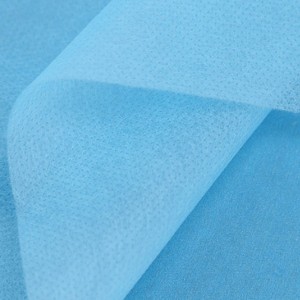
When thinking of non-woven fabric, most people immediately think of non-woven masks, because the COVID-19 pandemic has swept across the world and masks have become a necessity for everyone's daily life. However, non-woven fabric has developed for over a hundred years, and it has excellent properties such as strength, good air permeability and waterproofness, environmental friendliness, flexibility, and high cost-effectiveness. Besides the well-known non-woven fabric masks, it also has very wide applications.
1. Packaging materials
The non-woven fabric used as packaging materials is generally thin and soft in texture, and can also be treated with anti-static properties, which can provide excellent protection. It is commonly used in the packaging of shoes, clothing, accessories, and electronic products in daily life, and is used in the packaging of hardware, building materials, and precision instruments in industry.
2. Wine packaging bags
With the development of the economy and the improvement of living standards, China's wine industry has developed rapidly, and the wine packaging industry has also shown a diversified trend, breaking the previous monopoly of the market by single glass containers. Various materials such as metal, plastic, and paper have been successively applied to beverage packaging, and non-woven fabric hand-held bags have made their appearance.

III. Food Packaging Bags
This application is quite common in China. Many catering chain brands widely use non-woven fabric takeout packaging bags in the market. However, in some developed regions with less water resources, non-woven fabric tablecloths, non-woven fabric table towels, and non-woven fabric table mats are very popular. They are waterproof and oil-resistant, and are hygienic and convenient for one-time use.
IV. Agricultural Non-Woven Fabric
In some developed countries in Europe, non-woven fabric is often used as a weed-proof fabric and cold-proof fabric for crops. Compared with traditional plastic films, it has the characteristics of being waterproof and breathable. It is more friendly to crops and can be decomposed, making it very environmentally friendly. In recent years, non-woven fabric cold-proof fabrics have gradually become popular in areas such as Sichuan and Guangxi where citrus fruits are grown, playing an increasingly important role in preventing weeds, cold protection, and pest control in fruit and vegetable cultivation.
V. Medical Industry Non-Woven Fabric
In addition to masks, medical non-woven fabric is also used as surgical gowns, protective suits, head covers, shoe covers, disinfection package cloths, nursing pads, dental sheets, etc. Hygienic non-woven fabric is commonly used as women's sanitary pads, sanitary pads, baby diapers, adult diapers, face towels, etc.
The non-woven fabric manufacturer, Jiangmen Duomei Non-Woven Fabric Co., Ltd., is a professional non-woven fabric enterprise for medical and health products. The company's main products include: hydrophilic non-woven fabric, water-repellent and skin-friendly non-woven fabric, various pore types of hydrophilic perforated non-woven fabric, and various pressure-point non-woven fabric front waist pads. The company's products are widely used in healthcare, maternal and child hygiene products, adult diapers, etc.


 Current location: