Publish time:
2022-06-06
 Clicks: 34
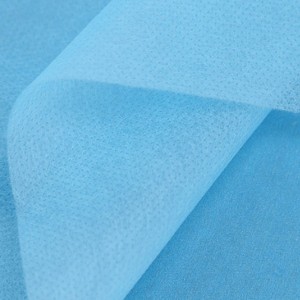
Most current dust masks are made of two layers of non-woven fabric on the inside and outside, with a middle layer of filter fabric (melt-blown fabric) in between.
The filtration of fine dust mainly relies on the middle filter fabric. Due to the inherent electrostatic property of the melt-blown fabric, it can adsorb extremely small particles. Because the fine dust is adsorbed on the filter fabric and the fabric has an electrostatic charge that cannot be washed, dust masks are all disposable.
Dust masks belong to the first category in personal protective equipment, above earmuffs and protective glasses, etc. The more authoritative testing certifications include the CE certification from Europe and the NIOSH certification from the United States.

1. 3M8210 mask (N95): Compliant with the N95 standard recognized by the National Institute for Occupational Safety and Health of the United States (NIOSH), capable of filtering particles with diameters as small as 0.3 micrometers. In tests, it can block particles with a diameter of 0.075 micrometers, with a success rate of 95%.
2. Surgical mask: Made of three layers of "non-woven" fabric, suitable for use in operating rooms; can block particles with diameters of approximately 4 micrometers or larger.
3. Activated carbon medical mask: The activated carbon used is mainly for odor prevention, not for preventing bacteria and viruses. Moreover, it will increase breathing resistance and has a 98% bacterial filtration function.
4. Dust mask: Primarily for dust prevention, with average antibacterial function.
5. Ordinary paper mask: Useful for blocking larger particles, but less effective against viruses with a diameter of less than 5 micrometers, easily passing through, and having limited bacterial filtration function.
The working principle of air-filtering masks, or simply filtering masks, is to allow harmful air to pass through the filter material of the mask for purification before being inhaled by the user. The structure of a filtering mask consists of two main parts: the main body of the mask cover and the filter material part, including filter cotton for dust prevention and chemical filter boxes for toxic gas prevention, etc.
The general gauze mask uses mechanical filtration as its dust-blocking principle. That is, when dust collides with the gauze, it is blocked layer by layer, and some large particle dust is blocked in the gauze. However, fine dust, especially those smaller than 5 μm, will pass through the mesh of the gauze and enter the respiratory system. Currently, there are some dust prevention masks available on the market, whose filter material is composed of fibers charged with permanent static electricity. Those respirable dust particles smaller than 5 μm will be attracted by the static electricity and adsorbed on the filter material, truly achieving dust-blocking effect.
This is the relevant knowledge about the use of non-woven fabric for masks. The non-woven fabric manufacturer, Jiangmen Duomei Non-Woven Fabric Co., Ltd., is a professional non-woven fabric enterprise for medical and health materials. Its main products include: hydrophilic non-woven fabric, water-repellent and skin-friendly non-woven fabric, various pore types of hydrophilic perforated non-woven fabric, and various pressure-point non-woven fabric front waist straps. The company's products are widely used in healthcare, maternal and child hygiene products, adult diapers, etc. Welcome all sectors to purchase and consult.
Some of the content of this article is compiled from online sharing. If there is any infringement, please contact the editor to delete.


 Current location: